Introduction:
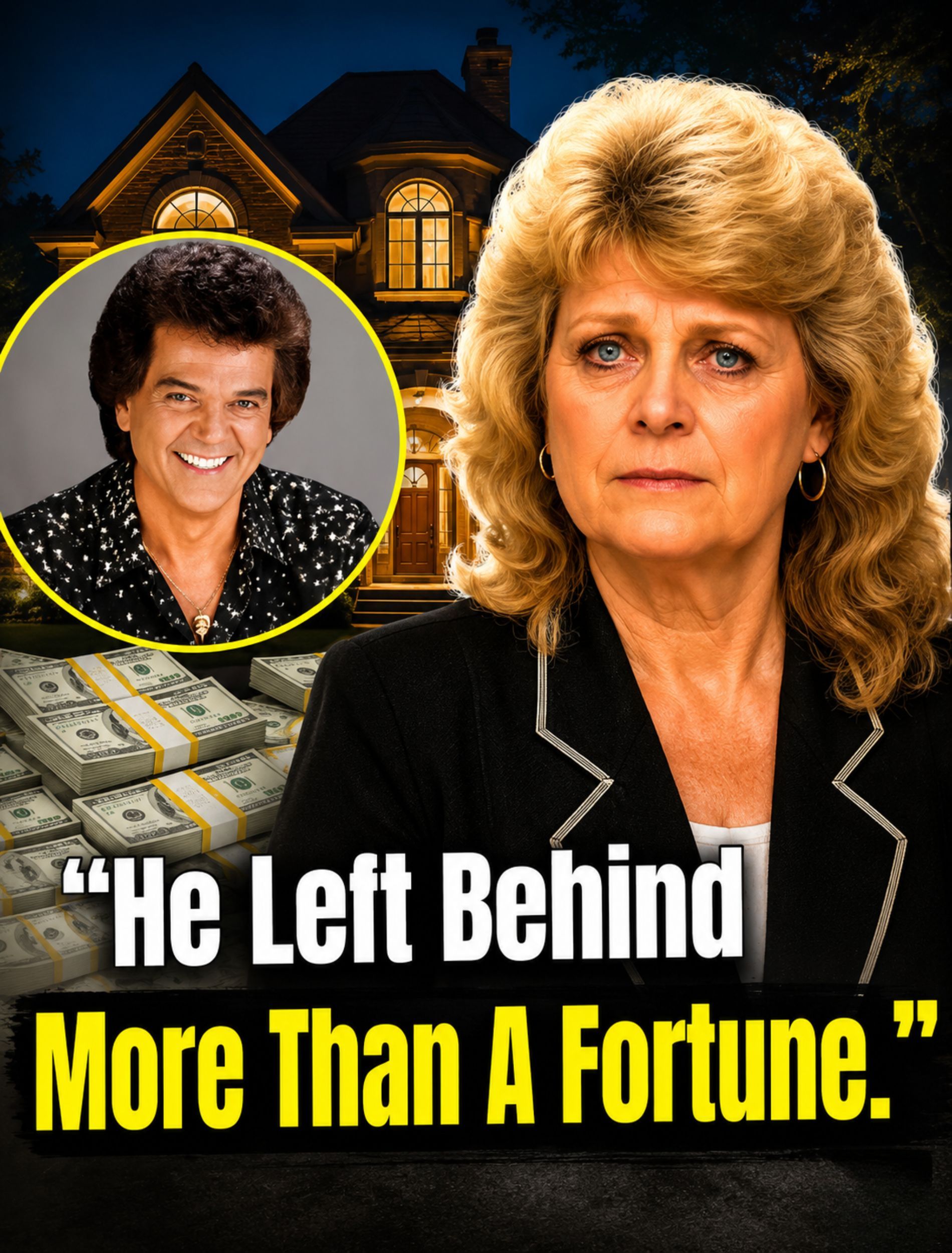
Conway Twitty Left Behind an Empire—But What Happened After His Death Became a Far More Painful Story
For decades, fans believed they understood what happened after Conway Twitty died. There were stories about a valuable estate, Twitty City, legal battles, and a family struggling over what one of country music’s greatest voices had left behind. Yet beneath all those headlines was something far more complicated than money: a grieving family, an estate plan that collided with changing circumstances, and a legacy suddenly forced into courtrooms instead of concert halls.
Long before any of that, Conway had built his world one song at a time. Born Harold Lloyd Jenkins, he traveled from rock-and-roll success with “It’s Only Make Believe” to country immortality through songs such as “Hello Darlin’,” “Linda on My Mind,” and “I’d Love to Lay You Down.” Success brought more than awards and sold-out shows; it allowed Conway to build businesses and eventually Twitty City, the Hendersonville complex that became a destination for fans who wanted to feel closer to the man behind that unmistakable voice.
Then everything changed with terrifying speed.
In June 1993, Conway became seriously ill after performing in Missouri and died the following day at only 59. There was no carefully planned farewell tour and no opportunity for his family to prepare for life without him. Almost immediately, private grief became entangled with a difficult legal reality: Conway had revised his will before marrying his widow, Dee Henry, but did not update it afterward, helping create the circumstances for a bitter estate dispute between his widow and his four children.
To fans watching from outside, it could easily look like a story about millions of dollars. Inside the family, however, the stakes were more personal. Property, royalties, business interests and Twitty City represented not simply wealth, but decades of Conway’s work—and different people who loved him could have very different ideas about what protecting that legacy meant.
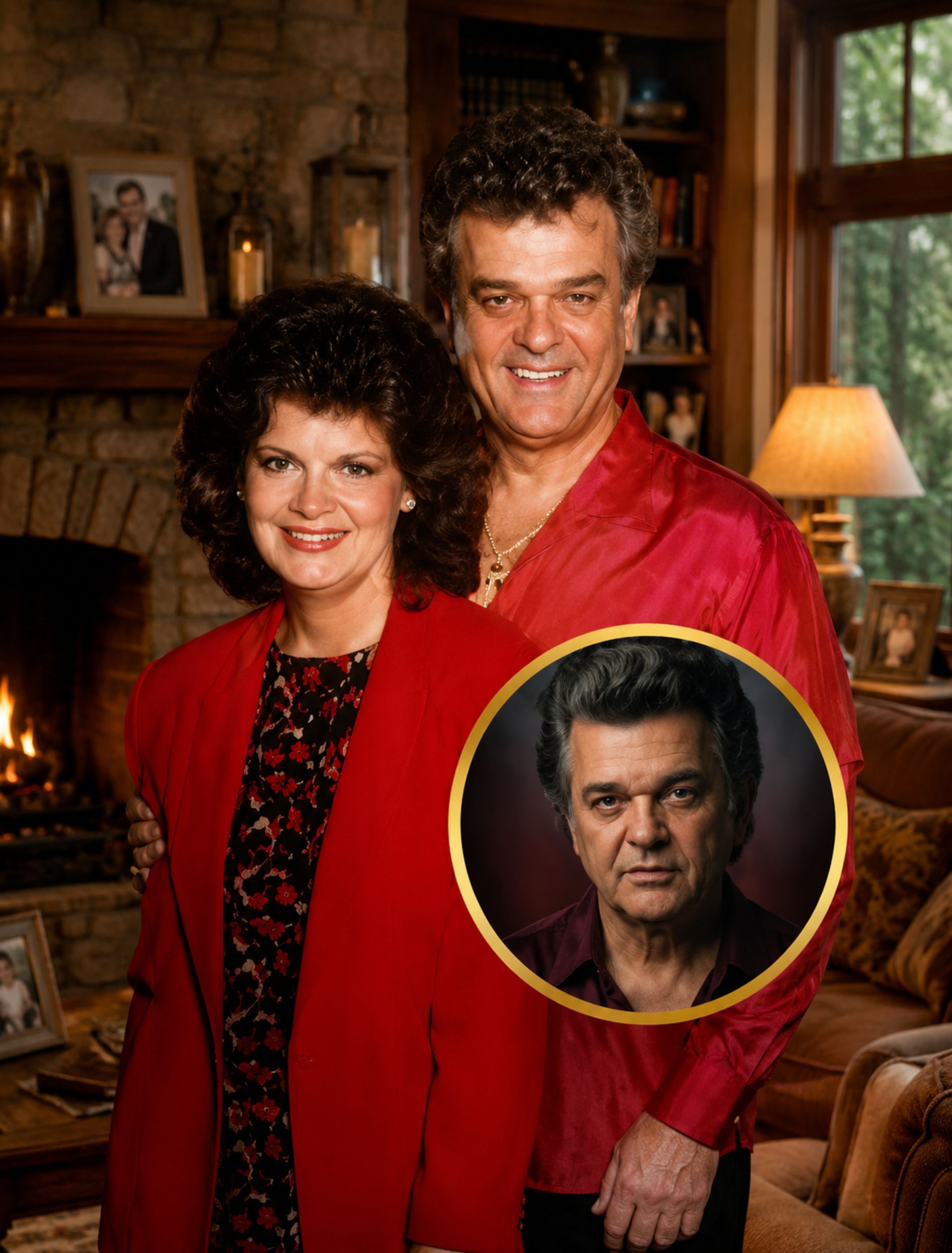
Over time, the empire fans remembered began changing. Twitty City was eventually sold, and the place once associated so closely with Conway entered another chapter. The physical monument could change hands; money could be divided; lawyers could argue over documents. But there was one inheritance nobody could auction, divide, or take away.
The moment the opening words of “Hello Darlin’” come through a speaker, Conway is somehow there again.
That is why the most heartbreaking part of his story may not be determining who received what. It is realizing how quickly a lifetime of building can become complicated after someone is suddenly gone. Families are left with possessions, paperwork and unanswered questions while trying to carry something no legal document can properly measure: memory.
More than three decades later, perhaps Conway Twitty’s greatest fortune was never Twitty City at all. Buildings can disappear, fortunes can shrink, and family disputes can outlive the people who started them—but a song capable of making someone remember who they loved at twenty years old can survive almost anything.
When you think of Conway Twitty today, what comes back first—the stories surrounding his estate, or the one Conway song that still takes you somewhere you thought you had forgotten?