Introduction:
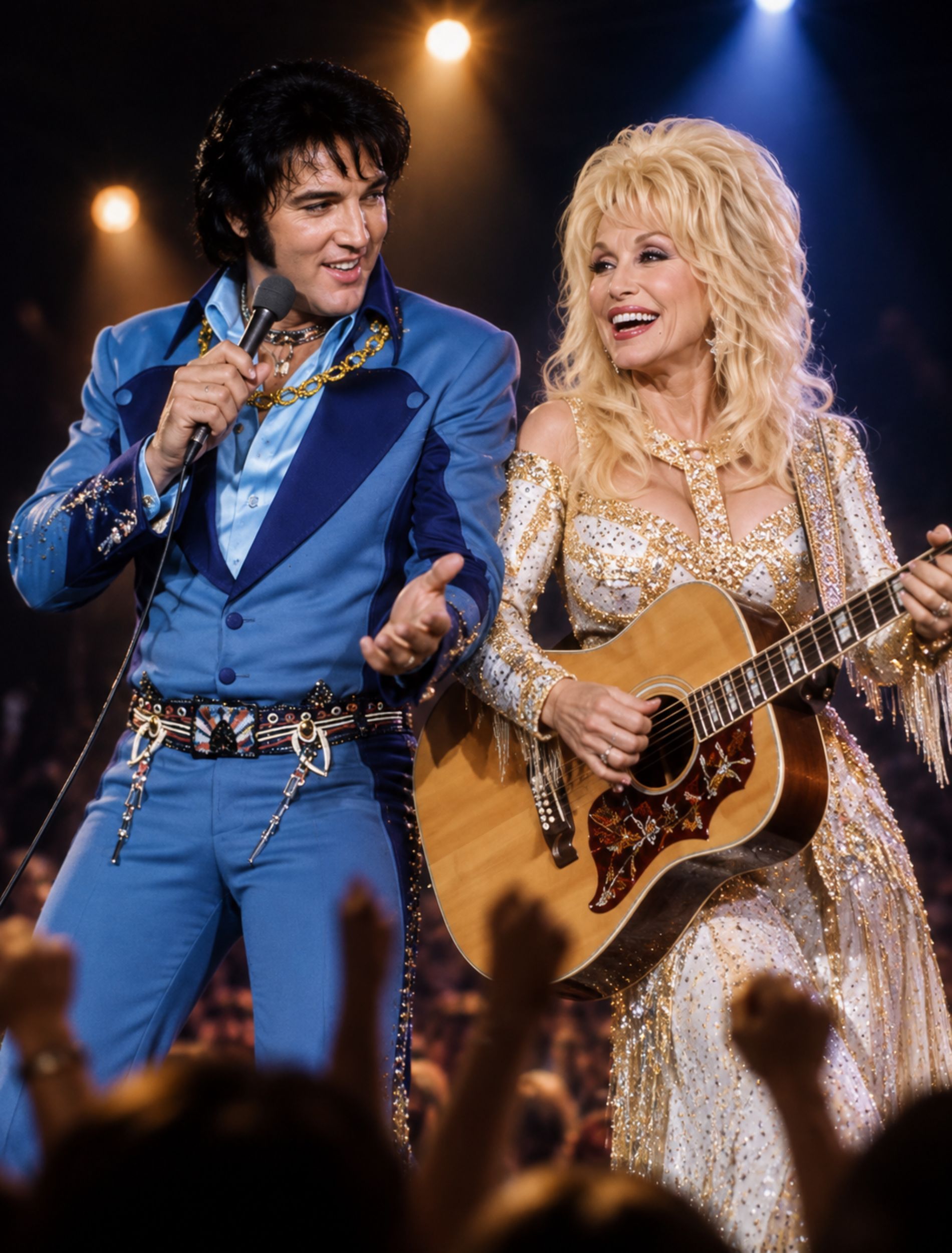
DOLLY PARTON SAID NO TO ELVIS PRESLEY — AND THE HEARTBREAKING REASON MAY HAVE SAVED “I WILL ALWAYS LOVE YOU” FOREVER
There are few decisions in music history that sound more unbelievable than turning down Elvis Presley, especially when he wanted to record a song you had written yourself. Yet Dolly Parton once found herself facing exactly that choice, and the answer she gave reportedly left her deeply emotional. What looked at the time like a painful missed opportunity would eventually become one of the most important decisions of her entire career.
The story began in 1973, when Dolly was preparing to leave her longtime professional partnership with Porter Wagoner. Their years together had helped introduce her to a national television audience, but Dolly increasingly understood that she needed the freedom to build a career in her own name. Rather than turning that difficult separation into anger, she sat down and transformed the emotion into a song.
That song was “I Will Always Love You,” and despite the way many listeners later interpreted it, the original meaning was not simply romantic. Dolly wrote it as a graceful farewell to Wagoner, thanking him for what they had shared while making it clear that she needed to continue on her own path. The tenderness of the song came from the fact that it carried both gratitude and goodbye at the same time.
When Dolly released the song in 1974, listeners responded immediately, and it reached No. 1 on the country chart. Then came an opportunity that almost any songwriter of that era would have considered impossible to refuse, because Elvis Presley wanted to record it. For Dolly, the thought of hearing one of the most famous voices in the world sing her words was enormously exciting.
But shortly before the recording could happen, a business condition changed everything. Dolly later explained that Elvis’ manager, Colonel Tom Parker, expected a substantial share of the song’s publishing rights as part of the arrangement. For Dolly, publishing represented far more than paperwork, because it meant ownership, long-term value, and control over something she had created from a deeply personal moment.
So Dolly made the decision that reportedly brought her to tears, and she refused to give up that ownership even if it meant losing Elvis’ recording. She admired Elvis and wanted desperately to hear what he might do with the song, which made the choice even more painful. Yet she understood that being associated with the biggest star in the world was not the same thing as protecting the future of her own work.
Years later, the story took an even more emotional turn when Dolly said Priscilla Presley told her Elvis had sung the song privately around the time of their separation. There was no studio release and no commercial recording, but the idea that Elvis had connected with the song personally gave the story an entirely different kind of meaning. The recording Dolly once dreamed of never happened, yet the song still found its way into Elvis Presley’s private life.
Then, in 1992, Whitney Houston recorded “I Will Always Love You” for The Bodyguard, and the song entered another extraordinary chapter. Her interpretation became a worldwide phenomenon and spent 14 weeks at No. 1 on the Billboard Hot 100, turning Dolly’s intimate country farewell into one of the defining recordings of the decade. Because Dolly had protected her publishing rights years earlier, she also remained connected to the song’s enormous long-term success.
That is what makes this story far more powerful than a simple tale about money or missed opportunity. Dolly was willing to walk away from Elvis Presley because she believed that ownership of her work mattered, even when saying no could have cost her the biggest recording opportunity of her young career. History would later make that decision look remarkably wise, but at the time, she had no guarantee that it would ever pay off.
Dolly wrote the song, Elvis wanted to sing it, and Whitney transformed it for another generation, but the heart of the story always returned to one woman protecting the words she had written. Would you have had the courage to say no to Elvis Presley if it meant keeping ownership of your song, or would the chance to hear the King sing it have been impossible to refuse? Share your answer, and if this story brought back a memory of the first time you heard “I Will Always Love You,” pass it along to someone who still believes the greatest songs carry more than music inside them.