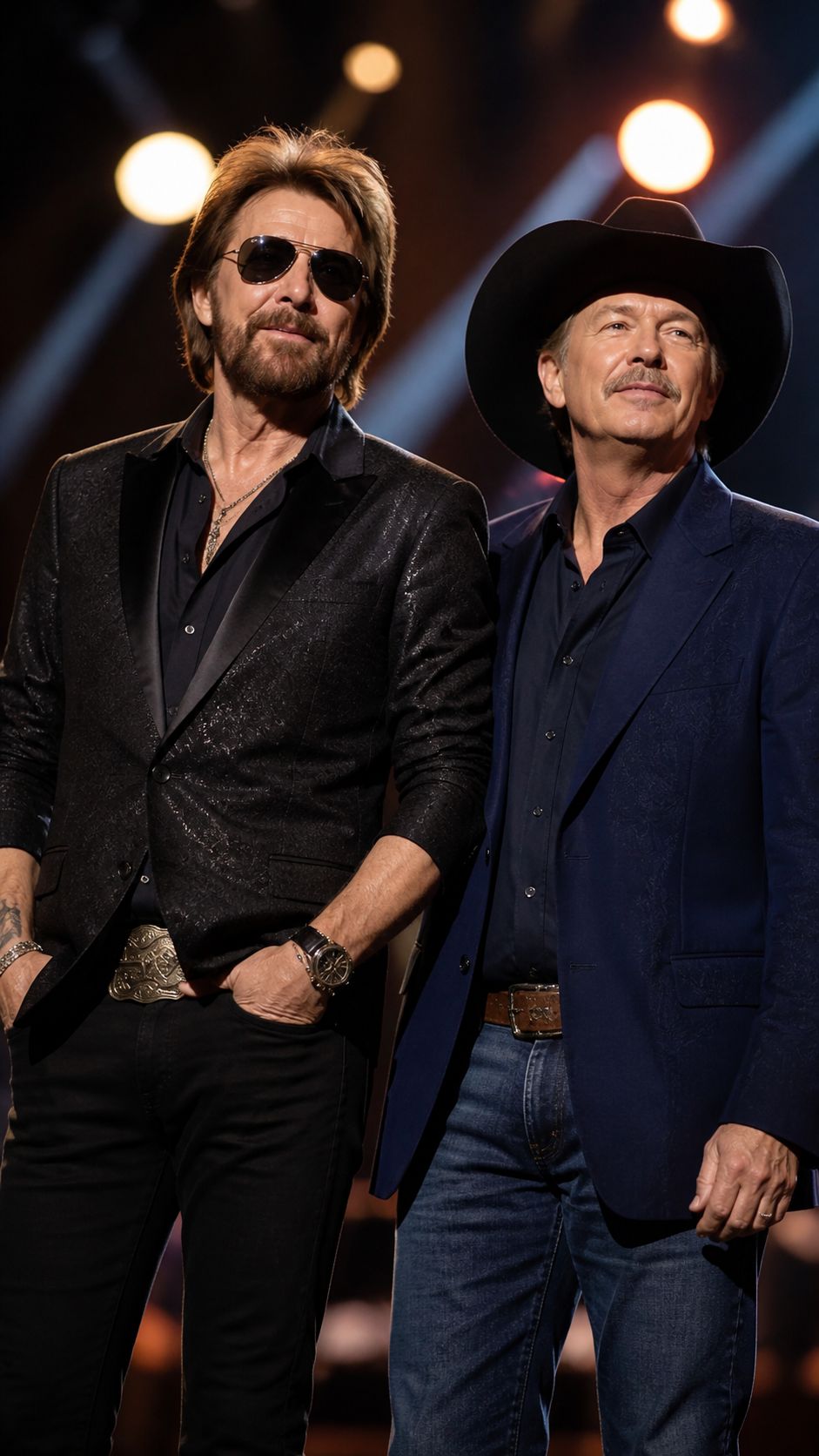
Introduction:
Ronnie Dunn’s Painful Choice: Why He Walked Away From Brooks & Dunn—and Found His Way Back
For nearly two decades, Ronnie Dunn stood beneath the brightest lights in country music, singing songs that millions of fans connected to heartbreak, faith, and memory. Yet behind the success of Brooks & Dunn, a quieter struggle was unfolding—one that would eventually push him to leave at the height of the duo’s fame. Why did he abandon something so successful, why was even his wife stunned by the decision, and what finally brought him back to Kix Brooks?
Born in Texas in 1953, Dunn grew up without the stability most children take for granted. His family moved repeatedly across several states, forcing him to attend roughly 13 schools in 12 years. Music became one of the few things he could carry from place to place, offering him a sense of belonging whenever another home disappeared behind him.
His childhood was also divided between two opposing worlds. His deeply religious mother found strength in faith, while his father struggled with alcohol and was drawn to honky-tonk life. Those influences later surfaced throughout Dunn’s music, where lonely barrooms and broken hearts often existed beside forgiveness, hope, and spiritual longing.
As a young man, Dunn attended Abilene Christian College while performing in bars at night. When the school objected, he faced a life-changing choice between a secure future and an uncertain musical dream. He chose music, but Nashville success did not arrive quickly; instead, he spent more than a decade performing in clubs and beer joints, wondering whether his sacrifice would ever mean anything.
Everything changed after Arista Nashville executive Tim DuBois introduced him to songwriter and performer Kix Brooks. Their partnership produced an extraordinary run of hits, including “Brand New Man,” “Neon Moon,” “Boot Scootin’ Boogie,” “Red Dirt Road,” and “Believe.” Dunn’s emotionally powerful voice, combined with Brooks’ energetic stage presence, turned them into one of country music’s defining duos.
Success, however, demanded constant compromise. Over the years, disagreements emerged over songs, producers, collaborators, and creative direction. The two men did not necessarily hate each other, as some rumors suggested, but nearly 20 years of shared decisions created an exhaustion audiences could not see from the arena seats.
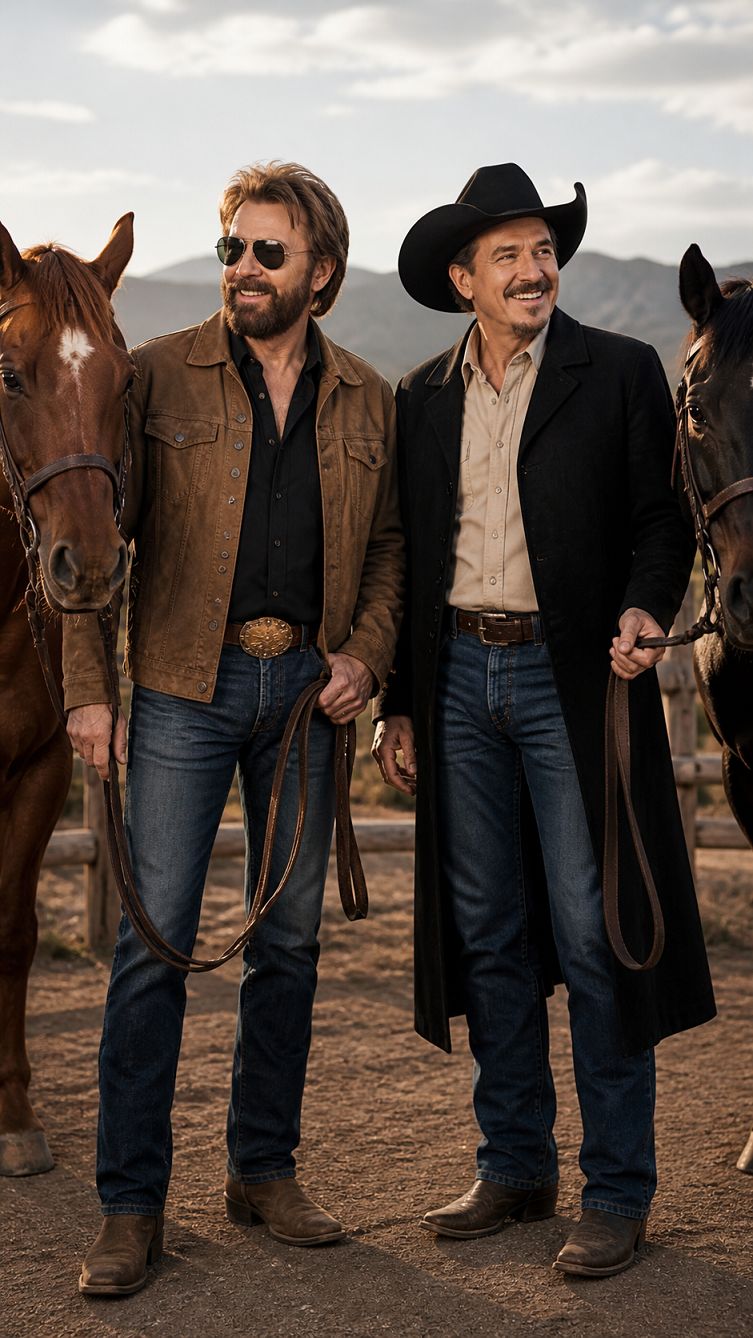
In 2009, Dunn finally told Brooks he no longer wanted to continue. Even Dunn’s wife, Janine—who had supported him before the first number-one hit—was reportedly surprised. At 58, he stepped away from a globally recognized name and began rebuilding as a solo artist, returning to smaller venues while confronting a frightening question: Did fans love Ronnie Dunn, or only Brooks & Dunn?
His solo album proved that his voice could stand on its own, but time gradually softened old tensions. Dunn and Brooks reunited publicly, later launching a Las Vegas residency and recording together again. Their return was not about pretending the disagreements had never happened; it was about two men rediscovering their partnership after learning they could survive apart.
Perhaps that is Ronnie Dunn’s most powerful lesson: walking away is not always failure, and returning does not mean surrender. Sometimes maturity is knowing when to leave, when to forgive, and which road is finally worth traveling again. Which Brooks & Dunn song still stops you from the very first note?