Introduction:
Graceland Was Days Away From Auction. Then Elvis’s Granddaughter Went to Court
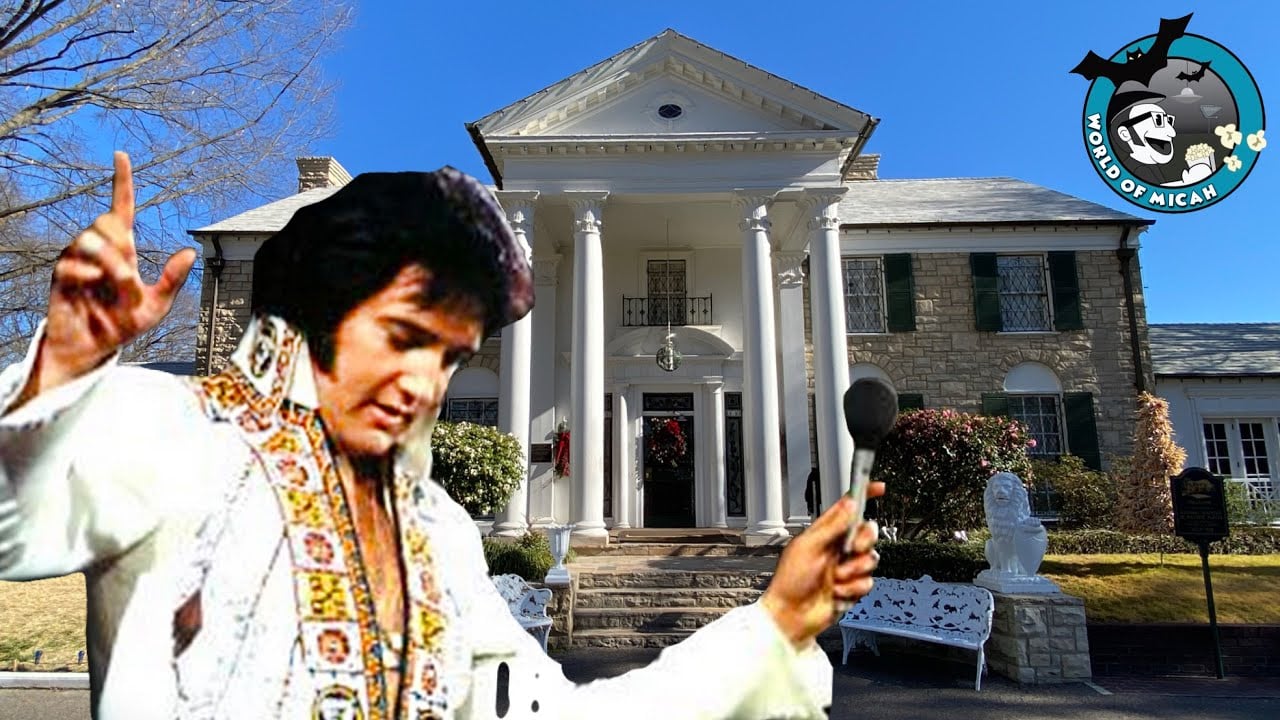
In May 2024, a notice in a Memphis newspaper announced that Graceland would be sold to the highest bidder. The notice gave the proposed auction the appearance of an ordinary foreclosure. The property, of course, was anything but ordinary. It was the home Elvis Presley bought in 1957, the place where he raised his family, and the destination generations of fans had traveled to Memphis to see. At the center of the notice was a claim about his daughter, Lisa Marie Presley, that she was no longer alive to answer.
The woman behind the scheme was Lisa Jeanine Findley of Kimberling City, Missouri. According to federal prosecutors, Findley claimed that Lisa Marie had borrowed $3.8 million from a private lender and pledged Graceland as collateral. The supposed lender said the debt had gone unpaid when Lisa Marie died in January 2023. Findley then sought a $2.85 million settlement from the Presley family, threatening to proceed with the sale if they did not pay.
The claim came with the things people expect to see when a debt goes to court: a company name, loan documents, and a public notice. Prosecutors said the lender was fictitious and the documents were forged. They also said Findley posed as three different people connected to the supposed company. By the time the foreclosure notice appeared in print, the false claim had been given a deadline and a date for a public auction.
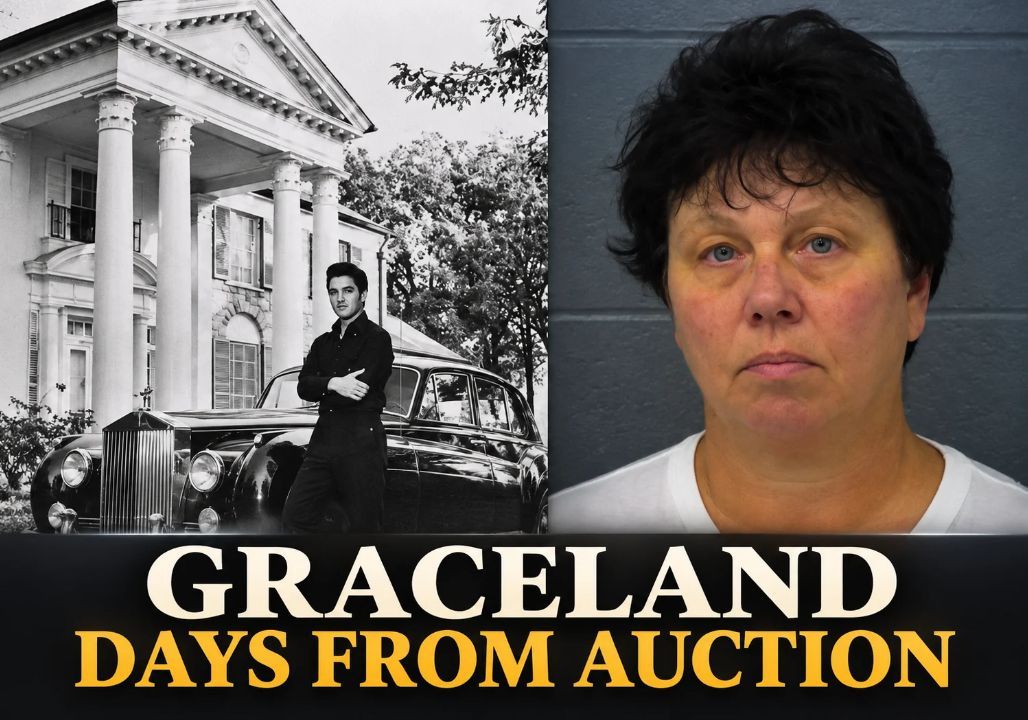
Riley Keough, Lisa Marie’s daughter and Elvis’s granddaughter, took the matter to court. She challenged the authenticity of the loan documents and asked a Tennessee judge to stop the auction. The judge halted the sale, keeping Graceland from going under the hammer. What began as a fight to protect the family’s ownership of the property became a federal criminal case.
In February 2025, Findley pleaded guilty to one count of mail fraud. That September, a federal judge in Memphis sentenced her to 57 months in prison, followed by three years of supervised release. The auction never took place, and the Presley family retained its ownership interest in Graceland.
For many Elvis fans, the unsettling part of the story was seeing Graceland described in a foreclosure notice at all. They knew that address from family road trips, photographs at the gates, or visits made years after they first heard Elvis on the radio. For Riley Keough, the property was also part of the inheritance her mother had left behind. To protect it, she had to go to court and challenge a claim made in her mother’s name. The judge stopped the sale, and visitors can still travel up the same Memphis driveway to the house they grew up hearing about.