Introduction:
Elvis Presley Had Already Conquered the World—But Inside a Nashville Recording Studio in 1970, He Still Had Something to Discover. Surrounded by Extraordinary Musicians, the King Turned Familiar Songs of Heartbreak, Faith, and Passing Time Into a Deeply Personal Musical Chapter—and Reminded Listeners Why His Greatest Gift Could Never Be Measured by Fame Alone.
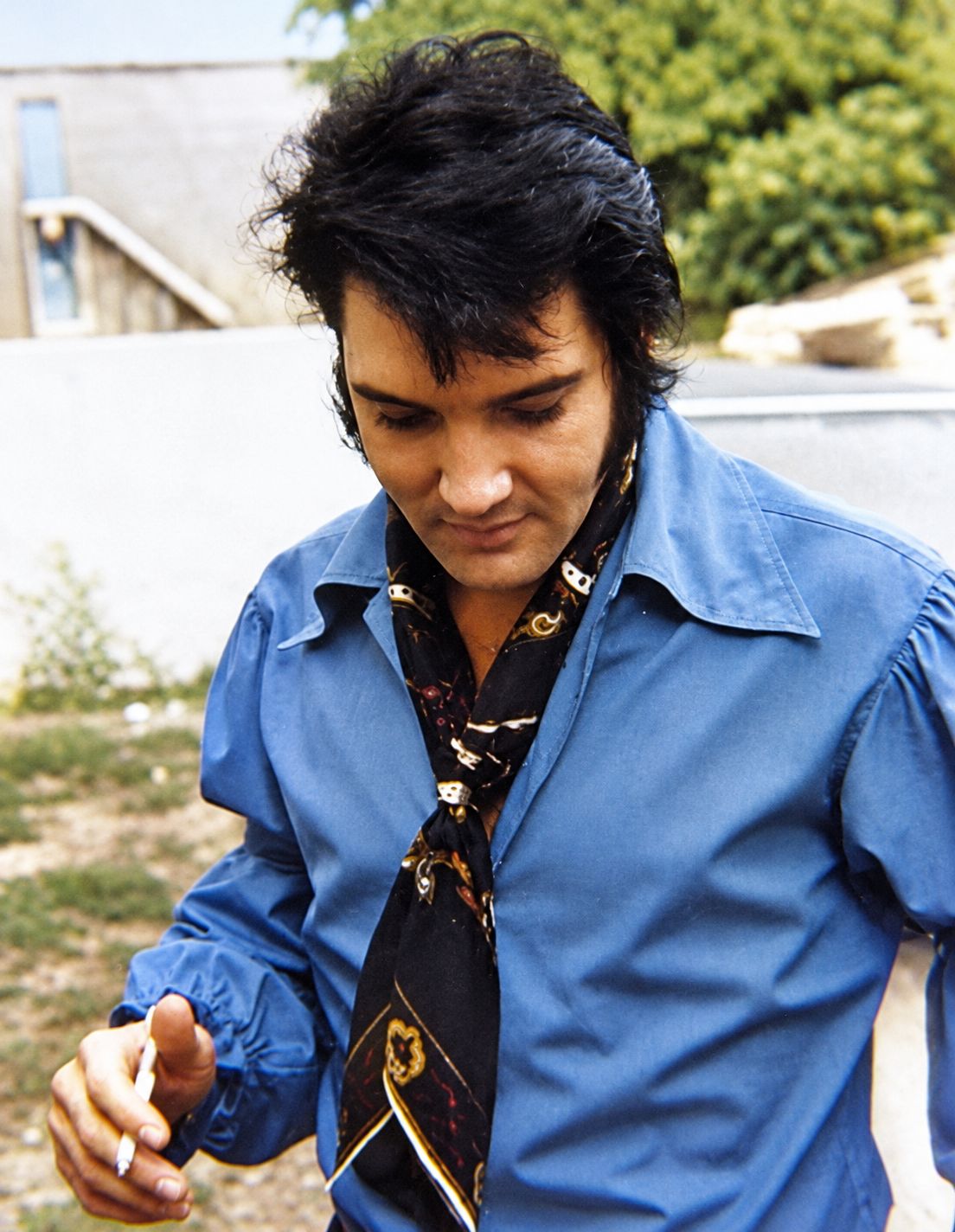
By 1970, Elvis Presley scarcely needed an introduction. His name could fill concert halls, his face was recognized around the world, and his performances had changed popular music forever. Yet when he returned to Nashville’s RCA Studio B, the most revealing story unfolded beyond the spotlight. Here, surrounded by accomplished musicians, his work came down to something beautifully demanding: making a song feel true.
These sessions offered a different perspective on an artist often remembered through glittering costumes and unforgettable stage entrances. In the recording studio, every choice mattered—the tempo, the phrasing, the space between a lyric and the answering instrument. Elvis drew on country, gospel, blues, and rhythm and blues, traditions woven through his musical beginnings. Together, those influences gave familiar material an emotional depth that still invites close listening.
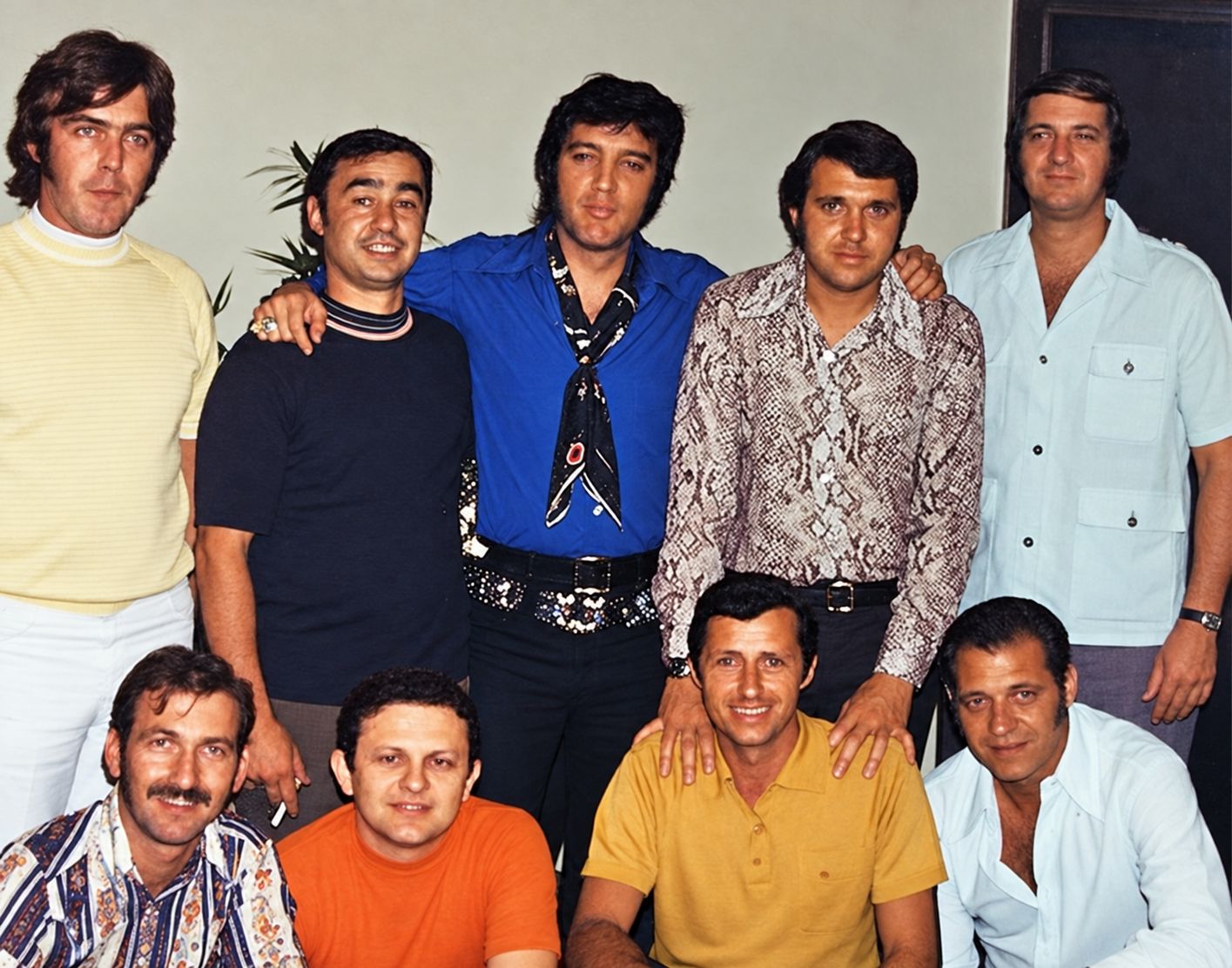
Among the musicians helping shape that sound were bassist Norbert Putnam, guitarist James Burton, and pianist David Briggs. Their contribution went beyond providing a polished background for a famous voice. They formed a responsive ensemble, able to follow changes in intensity and leave room for a performance to develop. That musical flexibility gave Elvis the freedom to move from quiet reflection to fullhearted expression without breaking the song’s spell.
Much of this creative energy found a home on Elvis Country (I’m 10,000 Years Old), released in 1971. The album revealed how comfortably he could inhabit country music’s stories of regret, longing, and wounded pride. There was warmth in these performances, but also restlessness, as though each song offered another feeling worth exploring. Its appeal lay in that variety: tenderness and grit, restraint and release, all connected by a deeply recognizable voice.
Listen to “Funny How Time Slips Away,” and an ordinary conversation begins to carry the weight of everything left unsaid. “There Goes My Everything” and “Make the World Go Away” give heartbreak a different shape, allowing loss to emerge through melody and carefully judged phrasing. Then “I Washed My Hands in Muddy Water” brings a tougher rhythmic drive into the picture. Taken together, these songs reveal an interpreter whose strength lay as much in emotional detail as in vocal power.
Perhaps that is what makes the Nashville recordings so moving decades later. By then, Elvis had accumulated enough fame to overshadow almost any room he entered, yet a recording still depended on listening, collaboration, and commitment. A reputation could draw attention to the microphone; the performance had to hold it. These sessions preserve the sound of an experienced artist continuing to engage with the musical traditions that had helped form him.
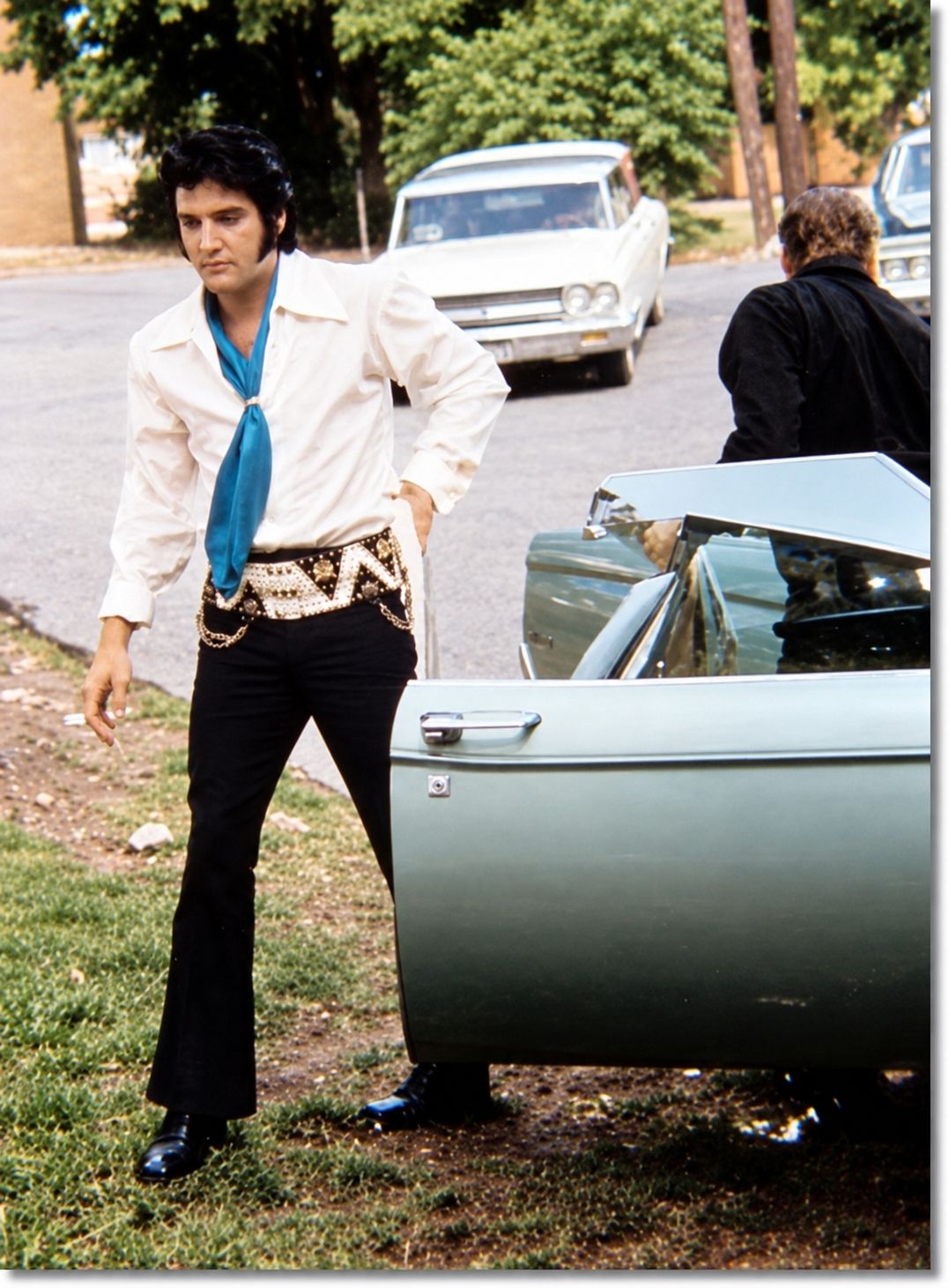
For listeners, that creates a connection more intimate than any photograph of a superstar beneath blazing lights. A familiar lyric can suddenly recall an old relationship, a family record player, or someone whose voice we wish we could hear again. Elvis’s Nashville work leaves space for those memories, giving songs from another era a place in our own lives. Which of these recordings brings someone or something back to you? Share your memory in the comments, and pass this story along to someone who still finds a little of their own life in an Elvis song.